


Nutritious. Delicious. Versatile.
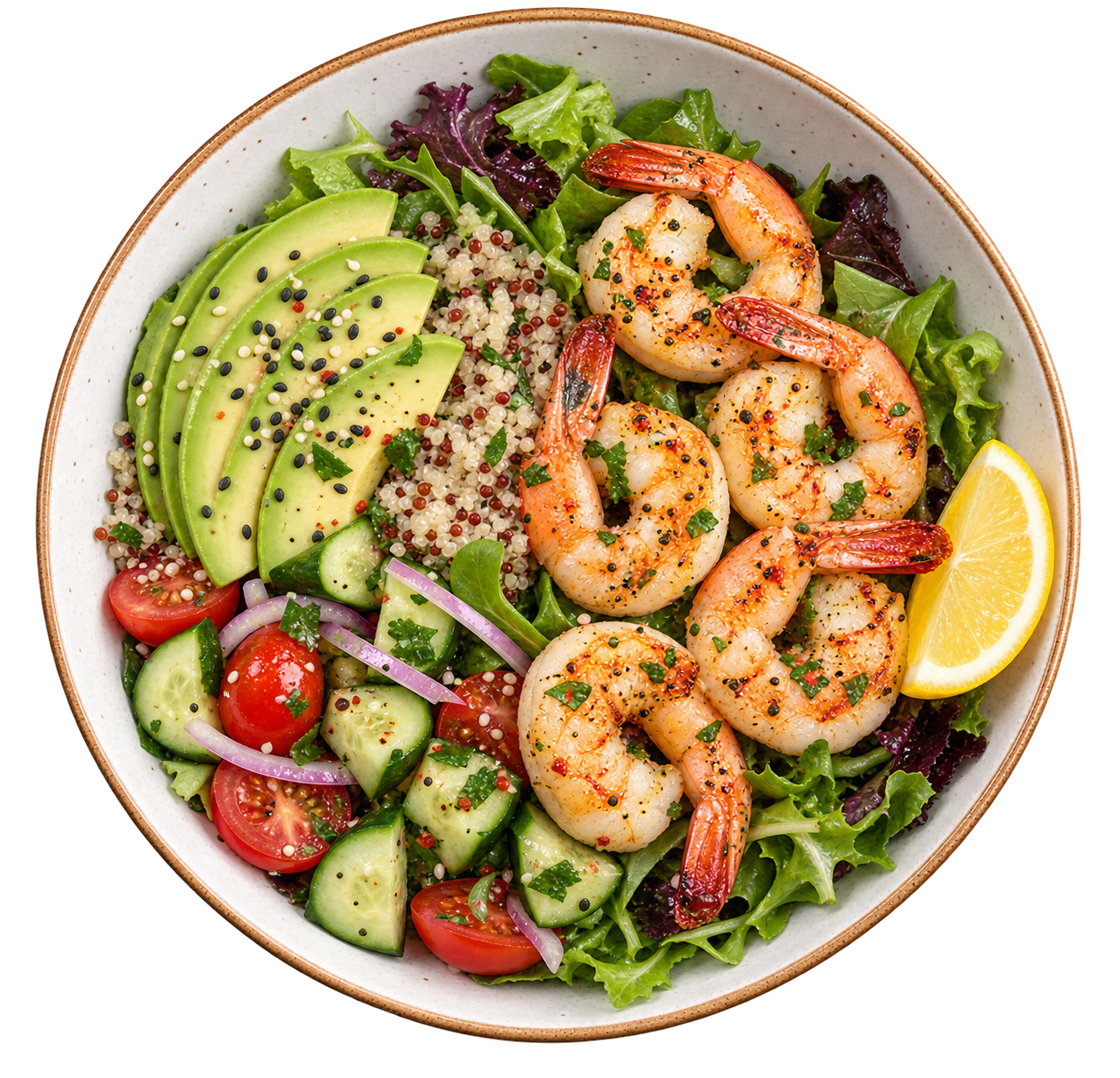
Shrimp brings together great taste, valuable nutrition and remarkable versatility. Rich in high-quality protein and naturally low in saturated fat, it also delivers important nutrients including selenium and vitamin B12.
The 2020–2025 Dietary Guidelines for Americans (DGA) encourage a variety of seafood as part of a healthy dietary pattern, recommending at least 8 ounces per week for adults based on a 2,000-calorie diet. For women who are pregnant or breastfeeding, the Guidelines recommend 8 to 12 ounces per week from seafood choices lower in methylmercury.
Shrimp is recognized by the U.S. Food and Drug Administration (FDA) and Environmental Protection Agency (EPA) as a "Best Choice" among seafood choices lower in mercury.
From everyday meals to special occasions, shrimp is a delicious and versatile way to add protein, nutrition, flavour and variety to a balanced diet.



Shrimp Nutrition, Fast Facts
The numbers that matter most, at a glance — no fine print required.


21G OF PROTEIN
protein dense with 21 grams per serving, great for building cells and body tissue
100 CALORIES
low-calorie shrimp makes for light and nutritious meals


10% IRON
daily recommended value

Based on a 3-ounce serving size.
6% CALCIUM
daily recommended value
What The Research Says.
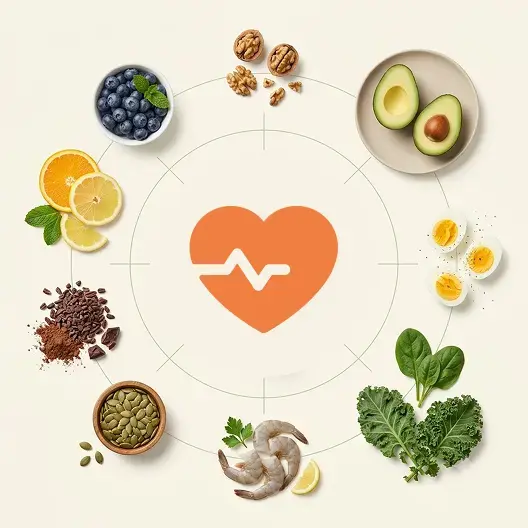
Scientific research has contributed to a better understanding of shrimp and dietary cholesterol.
A clinical study conducted by researchers from Rockefeller University and the Harvard School of Public Health, and published in the American Journal of Clinical Nutrition, examined the effects of shrimp consumption on blood lipoproteins in healthy adults with normal cholesterol levels.
The researchers concluded that moderate shrimp consumption did not adversely affect the overall lipoprotein profile and could be incorporated into heart-healthy nutritional guidelines.
The findings highlight the importance of considering a food's overall nutritional profile when making dietary choices.
Research & Sources
Dietary Guidelines for Americans, 2020-2025.
U.S. Departments of Agriculture and Health and Human Services.
U.S. Food & Drug Administration (FDA) and U.S. Environmental Protection Agency (EPA).
Advice About Eating Fish
De Oliveira e Silva, E.R., Seidman, C.E., Tian, J.J., Hudgins, L.C., Sacks, F.M. & Breslow, J.L.
Effects of shrimp consumption on plasma lipoproteins.
American Journal of Clinical Nutrition. 1996;64(5):712-717.
Individual nutritional needs may vary. Consumers with specific dietary requirements should follow the advice of a qualified healthcare professional.